
Pruning
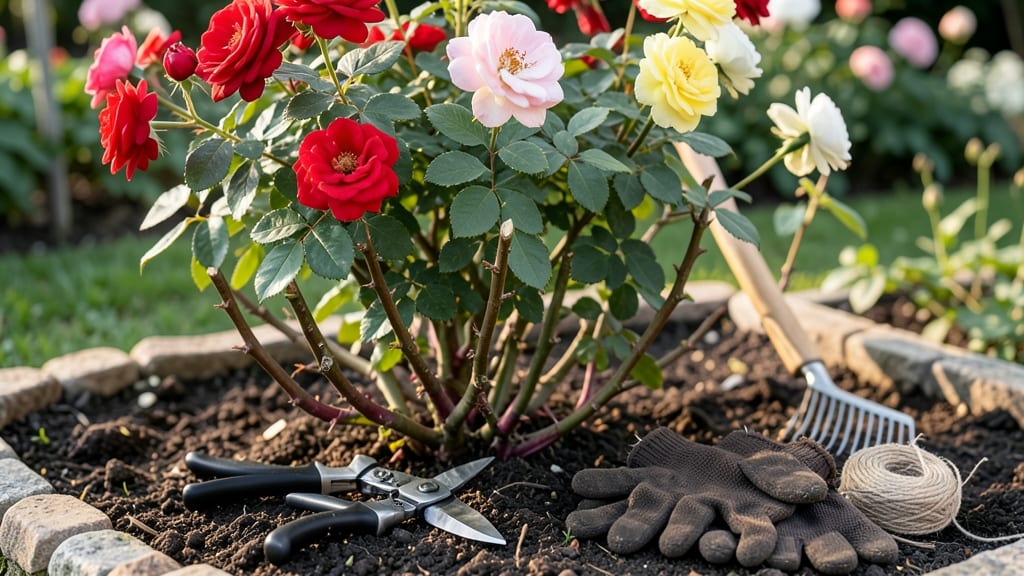
To prune roses in North Carolina, focus on late winter to early spring (February to March) for most varieties, with hybrid teas and grandifloras needing a second light trim in summer after blooming. Fall pruning is risky as it exposes plants to disease before dormancy.
North Carolina's mild winters and humid summers create unique timing challenges for rose care. 🌹 The late-winter/early-spring window (when average temperatures hover around 40-50°F) gives you that perfect balance of dormancy and bud formation, while summer pruning after blooms encourages those repeat flushes for hybrid varieties.
What many gardeners overlook is how soil temperatures factor in—pruning too early can shock roots still recovering from winter, while waiting too long risks overgrown canes that flop under summer humidity.
For once-blooming roses, that single late-winter cut is all you need, but hybrid teas and floribundas often reward you with a second bloom cycle if you give them that summer haircut.
The key is working before the first flush of new growth appears—this prevents stressing the plant when it's already putting energy into flowers. I've found that using sterilized pruners and sealing cuts with pruning paste helps NC roses fight off the fungal diseases that thrive in our warm, damp springs.
💡 In This Article
- North Carolina’s Rose Pruning Seasons Explained
- Step-by-Step NC Rose Pruning Calendar
North Carolina’s rose pruning seasons explained
North Carolina’s climate—with its mild winters and humid summers—creates a delicate balance for rose pruning. The ideal late-winter/early-spring window (typically when daytime temperatures consistently reach 50°F or higher) coincides with the plant’s natural dormancy breaking. This timing ensures you remove dead wood while stimulating new growth before summer’s heat stress.
Pruning too early risks shocking roots still recovering from winter chill, while waiting too late can leave canes overgrown and prone to fungal diseases like black spot, which thrives in NC’s damp springs.
The science behind this involves understanding how roses store energy. During dormancy, roses convert stored carbohydrates into new buds along the canes. A sharp pruning cut just above an outward-facing bud (at a 45-degree angle) maximizes sunlight exposure and airflow—critical in NC’s humid climate.
Summer pruning for hybrid teas works because these varieties have already completed their first bloom cycle, and removing spent blooms redirects energy to secondary growth. However, this only works if done after blooms have fully opened, typically in June or July.
What most gardeners miss is how soil temperature factors in. Prune when soil temps reach 55°F—this ensures roots aren’t shocked by cold ground. In NC’s Piedmont region, this often aligns with late February, while coastal areas may wait until March.
The goal is to give roses a 6-8 week head start on new growth before summer’s intense heat. This timing also prevents the plant from putting energy into flowers when it should be establishing strong canes for next year’s blooms.
Fall pruning is particularly risky in NC because it exposes fresh cuts to fungal spores lingering in the air and soil. The warm, moist conditions create a perfect storm for diseases like powdery mildew.
Even if you prune in late fall, the plant won’t have time to heal before winter dormancy sets in. The exception? Light deadheading of spent blooms in fall to improve winter hardiness—but never heavy structural pruning.
Consider these key factors when planning:
- Climate zone: Coastal NC (Zone 8) can prune 2-3 weeks earlier than the mountains (Zone 6)
- Rose type: Once-blooming roses (like Knock Out) need only winter pruning, while hybrid teas require summer maintenance
- Tools: Always use sterilized pruners and seal cuts with pruning paste to prevent disease
Here’s what’s actually happening when you prune at the right time: You’re not just cutting back growth—you’re shaping the plant’s energy flow. The 50-55°F temperature range triggers hormonal changes that promote bud formation while minimizing stress.
In NC’s climate, this careful timing can mean the difference between a plant that thrives and one that struggles with disease. 🌿